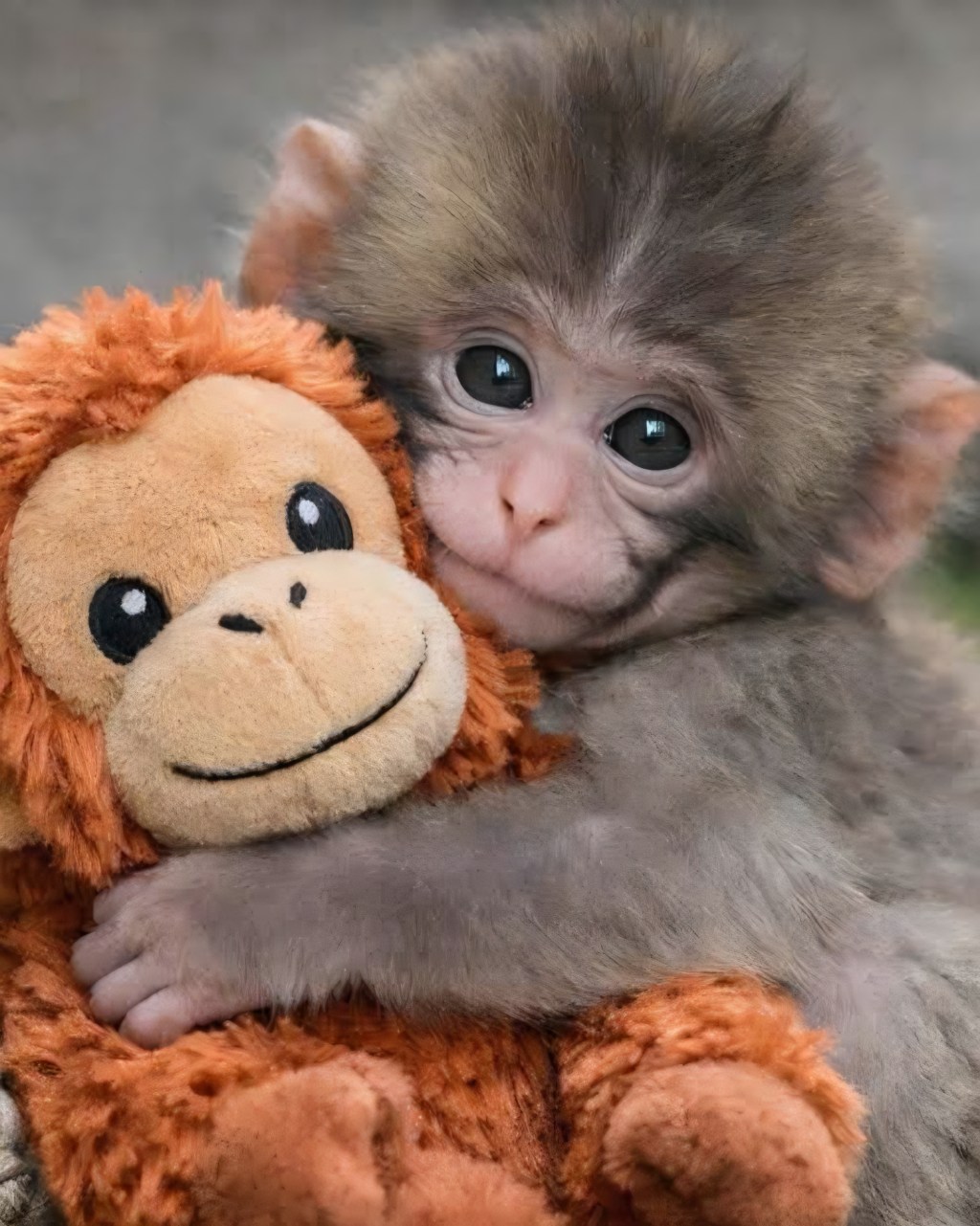
In the early weeks of 2026, the world found a temporary center of gravity in a small, fuzzy primate at the Ichikawa City Zoo near Tokyo. Punch, a seven-month-old Japanese macaque, became a global phenomenon not because of a heroic feat, but because of a heart-wrenching vulnerability: he was abandoned by his mother and now navigates his enclosure while clinging to a stuffed IKEA orangutan.
As millions of people tune in to watch a monkey cuddle a plush toy, the world outside the zoo gates remains fractured. We are living through a period defined by what sociologists call the “polycrisis”—a simultaneous explosion of regional wars, persistent financial instability, and a collective mental health crisis.
The contrast is jarring.
Why does a baby monkey receive such unbridled affection while human suffering often feels like background noise?
The answer lies in the complex psychology of empathy, the mechanisms of digital escapism, and our desperate need for a narrative we can actually “fix.”
1. The Psychology of “Punch”: A Mirror for Our Own Fragility
Punch’s story resonates because it is a pure, visual representation of attachment theory. Humans are biologically wired to respond to “baby schema”—large eyes, small limbs, and vulnerable movements. However, Punch adds a layer of tragic relatability: the surrogate mother.
The Power of the Surrogate
When Punch drags his stuffed orangutan—affectionately dubbed “Oran Mama” by fans—he is performing a behavior many humans recognize from their own childhoods or their children’s lives. In a world where many feel “orphaned” by social systems, abandoned by stable economies, or isolated by technology, Punch is a living avatar of the universal need for comfort.
Safety in the Soft: The plush toy represents a tangible, soft solution to a hard, cold reality.
The “Underdog” Narrative: Watching Punch try to integrate with other macaques, occasionally being “scolded” or ignored, mirrors the social anxiety and “nervous breakdowns” many feel in modern competitive society.
2. Why Human Suffering Triggers “Compassion Fade”
It seems paradoxical that we cry over a monkey while scrolling past headlines of war. However, psychologists call this Compassion Fade.
When we see reports of thousands of people suffering in a financial crisis or a conflict zone, the numbers become an abstraction. The human brain is not evolved to process the suffering of millions; it is evolved to care for the “tribe.”
The Identifiable Victim Effect:
It is easier to love one monkey with a name than to process the pain of a million strangers. Punch has a name, a face, and a specific struggle.
Psychological Distancing:
Dealing with war or the global housing crisis requires confronting massive, systemic guilt and helplessness. Loving Punch requires nothing but a “like” or a “share.” It provides an emotional outlet that doesn’t demand a political or financial solution.
3. Escapism in the Age of the “Nervous Breakdown”
The modern world is loud. In 2026, the intersection of AI-driven misinformation, economic volatility, and environmental anxiety has pushed the collective nervous system to a breaking point.
The Zoo as a Sanctuary for the MindFor many, Punch is a digital sedative.
Non-judgmental Connection: Unlike human interactions, which are often fraught with political tension or social judgment, an animal’s struggle is “pure.” Punch doesn’t care about your bank account or your politics; he just wants his toy.
A Controlled Narrative: In the real world, we cannot stop a war with a click. But in the world of Punch, we can watch a zookeeper feed him a bottle and feel that, in this one small corner of the universe, things are “okay.”
4. The “Pureness” of Animals vs. The “Complexity” of Humans
There is a cynical but honest thread in human psychology: we often find it easier to love animals because they are blameless.
Human Misery is Often Politicized:
When we see humans suffering, our brains often subconsciously look for “cause and effect.” We ask about the politics of the war or the financial choices of the person in debt. This creates a barrier to empathy.Animal Suffering is Innately Innocent: Punch did nothing to deserve being abandoned. His struggle is viewed as entirely undeserved, which triggers a more “primitive” and unclouded form of compassion.
Conclusion:
A Symptom of Our Search for MeaningThe global obsession with Punch isn’t a sign that we have stopped caring about humans; it is a sign that we are overwhelmed by the difficulty of caring for them. We project our own needs for tenderness, stability, and “belonging” onto a baby macaque because he represents the simplest version of the human condition: the desire to be held. In a world of financial collapses and “nervous breakdowns,” Punch’s stuffed orangutan is the security blanket we all wish we could still carry.
 Tariq Mustehsan | Engineered Excellence
Leave a comment